Jugend UI Autumn Showcase
A sample page demonstrating every UI component in this project, styled with the autumn Art Nouveau variants wherever available.
Heading
Heading 1
Heading 2
Heading 3
Heading 4
Heading 5
Heading 6
Between 1890 and 1910, architects across Europe turned everyday buildings into total works of art — facades, interiors, and railway halls alike.

Stone carvings, wrought iron, and painted woodwork carried the same whiplash curves from street facades into entrance halls and waiting rooms — ornament no longer confined to a single surface.
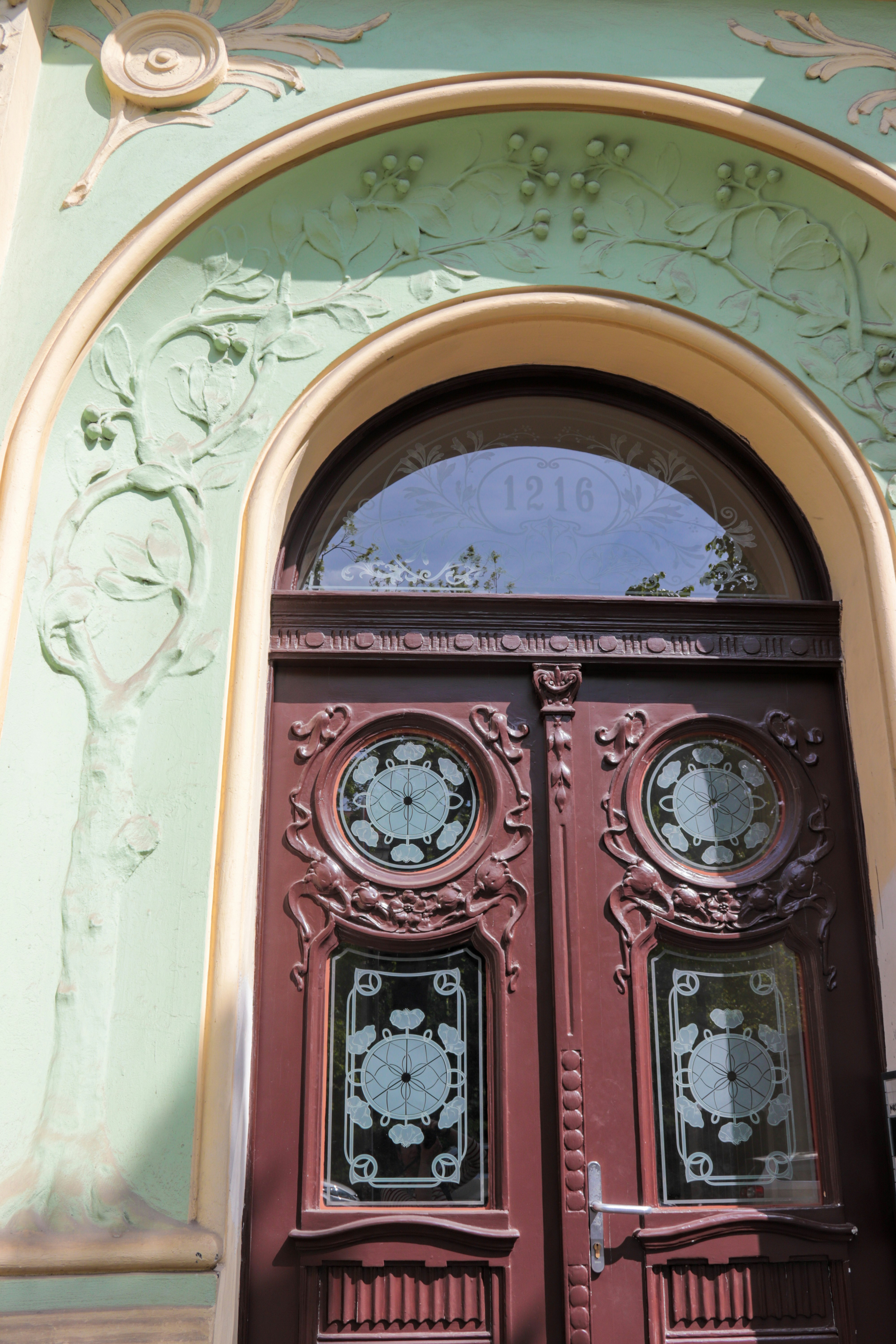
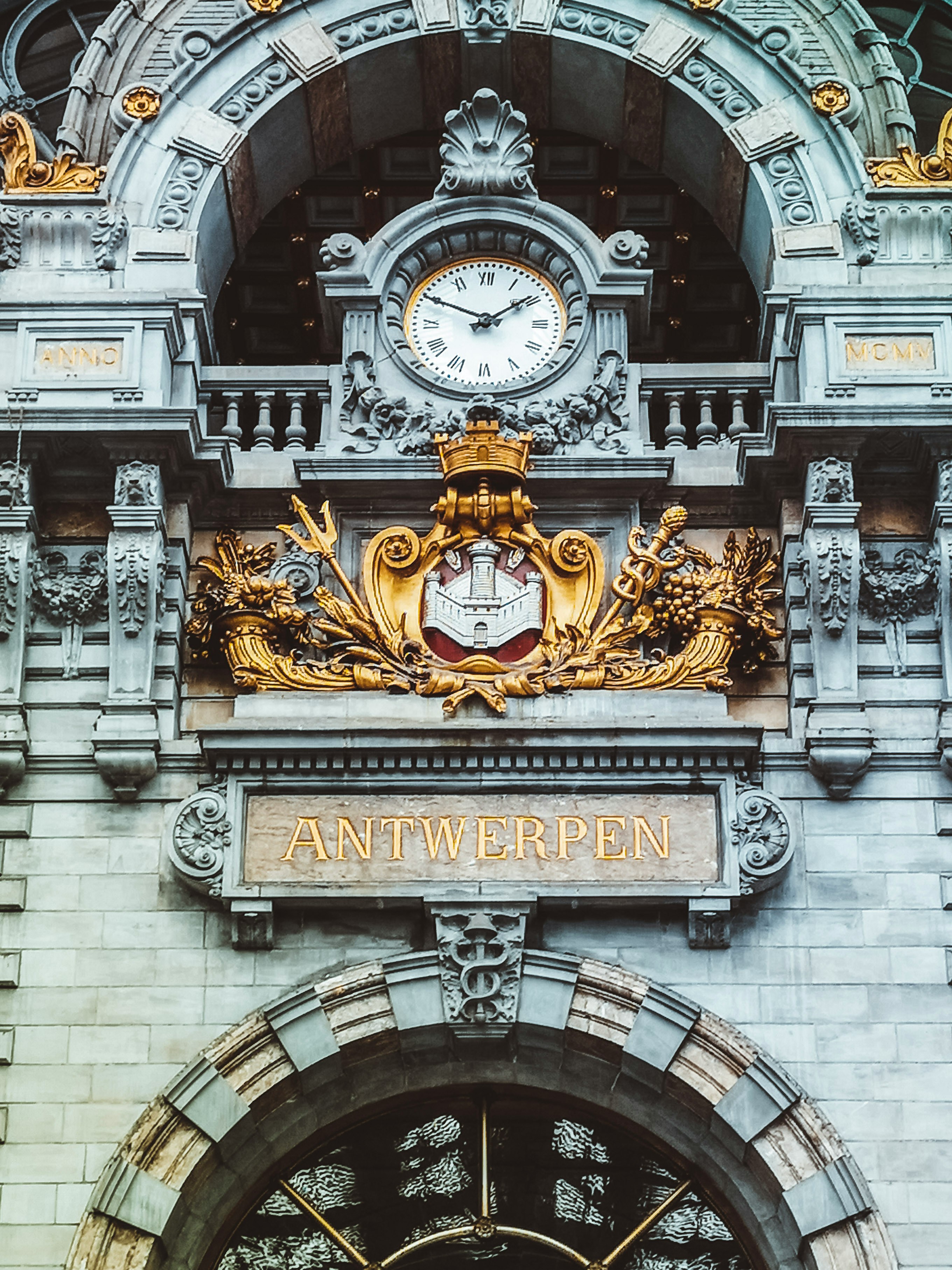
These photographs trace that impulse across scales — a single window bay, a domestic threshold, and a civic monument — each treating architecture as a canvas for organic line and craft.
Art Nouveau architecture turned buildings into total works of art. In Brussels, Victor Horta wove iron, glass, and light through houses such as the Hôtel Tassel and Hôtel Solvay, where staircases unfurl like vines. In Paris, Hector Guimard gave the Métro its signature cast-iron entrances — whiplash curves made civic infrastructure feel ornamental.